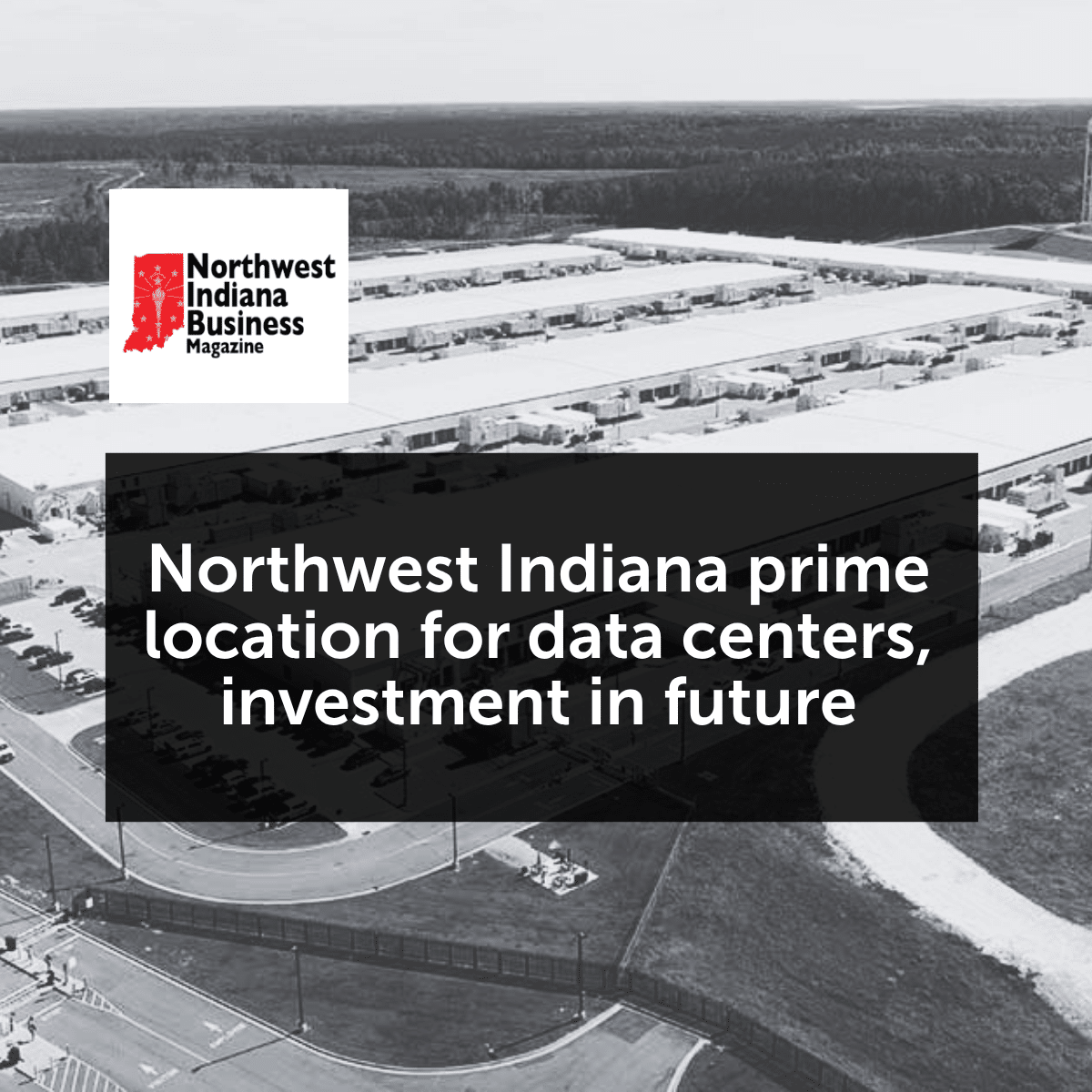
The rapid expansion of artificial intelligence and cloud computing has pushed data center infrastructure into the national spotlight. What was once considered a welcome industrial addition to local municipal tax bases has increasingly become a subject of intense public debate, headline-driven scrutiny, and local opposition.
In a recent industry presentation, Sentinel Data Centers CEO Josh Rabina characterized this evolution as “The Odyssey”—a journey that moved from initial widespread admiration to a sharp descent into community backlash, and ultimately toward a path of redemption through facts, smart planning, and collaborative development.
The Great Political Shift
For more than two decades following the dot-com crash, communities across the country actively competed for data center development. Prior to 2022, 38 states maintained explicit tax incentives to attract data center operators. Municipalities valued data centers because they provided significant property tax revenue while demanding very little from local public infrastructure, such as school systems or road networks.
However, the post-COVID explosion of cloud compute and artificial intelligence shifted the physical scale of these builds dramatically. Data center electricity demand grew from roughly 1.9% of the national power grid in 2018 to over 4.4% today, with forecasts projecting further increases.
This rapid expansion, combined with broader inflationary pressures and high-profile speculative power requests, reshaped public perception almost overnight:
- Public Opposition: 70% of Americans now oppose new data center developments in their local communities.
- Policy Moratoria: 14 states have either enacted or actively proposed moratoria on new builds.
Replacing Soundbites with Facts
Much of the current opposition stems from political slogans and media soundbites that oversimplify complex engineering realities. Examining the primary community concerns reveals a very different story when grounded in actual data:
1. Economic Productivity & Local Tax Relief
Per acre of land, no asset class generates more economic productivity or capital investment than a data center. In Loudoun County, Virginia—home to the world’s highest density of data centers—data center revenues allow local leaders to keep residential property tax rates at nearly half of what would otherwise be required to fund public services.
2. Power Rates and Grid Investment
Power pricing consists of two primary elements: fixed grid infrastructure and generation supply.
- Fixed Costs: Adding large, continuous electrical loads to a grid spreads fixed costs (transmission lines, substations, and utility overhead) across a higher volume of kilowatt-hours. This dynamic actually lowers per-kWh distribution costs for surrounding residential ratepayers.
- Generation Supply: While short-term spikes in demand can push generation prices up temporarily, those price signals spur vital private investment into new generation capacity, grid modernization, and clean energy infrastructure.
3. Water Consumption
A common misconception is that all data centers consume millions of gallons of water daily. Modern facilities utilizing closed-loop, air-cooled chillers reject heat directly into the ambient air, operating with zero daily water consumption. Water-intensive evaporative cooling is an elective choice based on regional abundance, not an operational requirement.
4. Acoustic Management
Modern data center equipment is engineered to meet strict property-line noise limits of 45 to 58 dBA. At the fence line, facility sound levels naturally blend into ambient background noise—operating far quieter than standard outdoor residential equipment or typical street conversation.
5. Public Safety and Emissions
Permitted data centers host standard commercial refrigeration and server hardware under strict OSHA and EPA oversight. Facilities connected to the electrical grid rely on clean utility power, maintaining standby generators strictly for emergency backup during grid outages.
“The World Isn’t Waiting”
While local anxieties around rapid technological change are understandable, pausing domestic infrastructure development does not halt the global advancement of artificial intelligence.
Enacting local moratoria or development pauses does not erase the demand for compute power; it simply shifts where that infrastructure is built. When development halts domestically, projects, high-paying skilled trade jobs, and technological leadership move to other regions or nations.
The central policy question facing leaders today is not whether data centers will exist, but where they will be built, under whose regulatory standards, and aligned with whose environmental and societal values.
Moving Toward Redemption
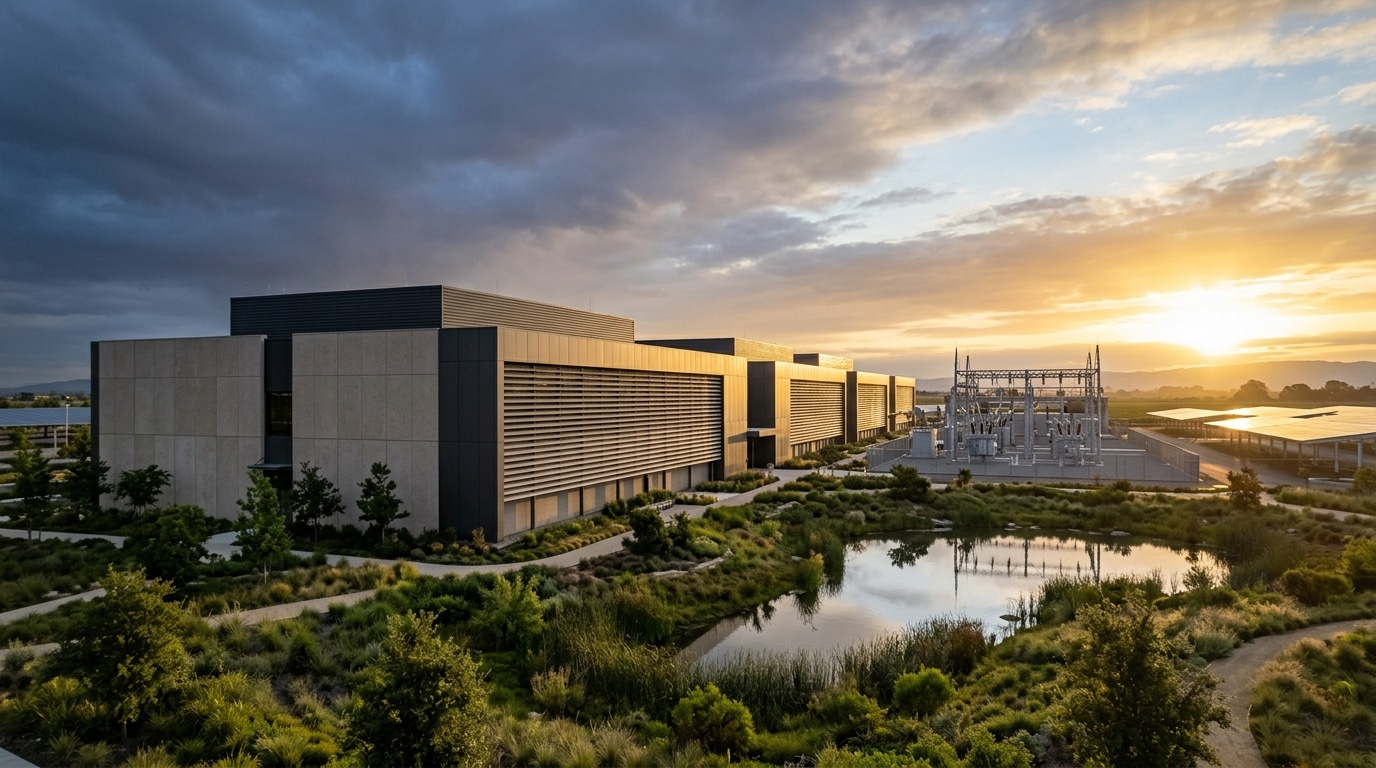
As new, well-planned data center projects complete and enter operation, host communities can witness firsthand the realities of modern digital infrastructure. By combining smart land use—such as redeveloping environmentally burdened brownfield and Superfund sites—with high-standard architectural design, data centers can once again be recognized as quiet, highly productive, and net-positive neighbors.
Through fact-based dialogue and intelligent planning, communities can successfully capture the economic benefits of the AI revolution without sacrificing their quality of life.
Frequently Asked Questions
Do data centers increase local electricity rates for residential homeowners?
No, data centers generally help lower local grid distribution rates over time. Adding large, continuous electrical loads allows electric utilities to spread fixed infrastructure costs (like transmission line maintenance and substations) across a significantly larger volume of kilowatt-hours, reducing the per-unit distribution cost for local households.
How much water do modern data centers consume?
Modern data centers using closed-loop, air-cooled cooling systems consume zero daily water on an ongoing basis. These facilities reject server heat directly into the air using closed-loop chillers (similar to a car radiator). Water-intensive evaporative cooling is an optional design choice used only in regions where water is plentiful.
How do data centers impact local property taxes and property values?
Data centers generate significant tax revenue per acre without putting high demands on local roads or school systems, which often allows municipalities to reduce residential tax rates. Independent research shows that operational, well-designed data centers have a neutral-to-positive effect on surrounding property values by bolstering municipal finances and keeping local taxes low.