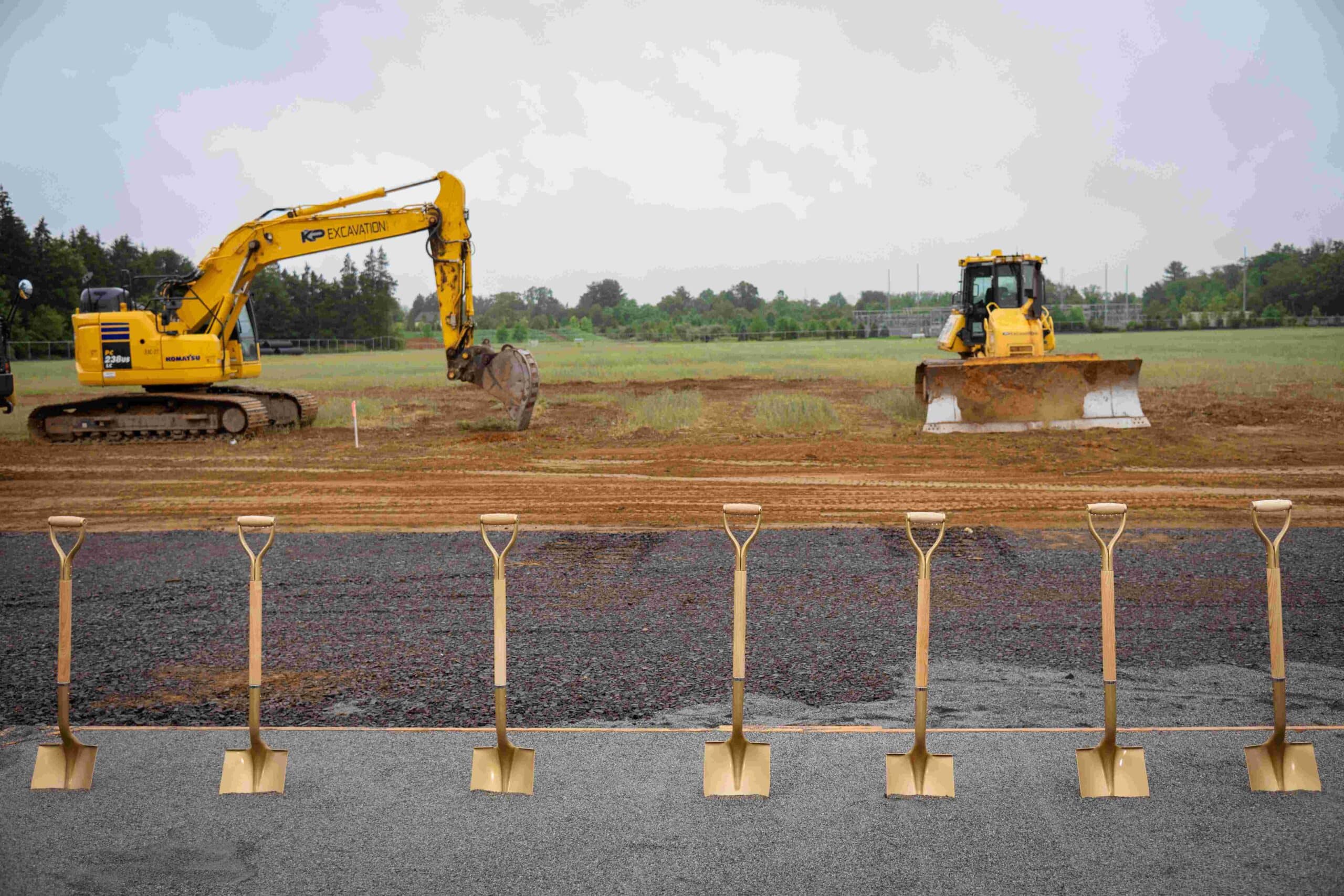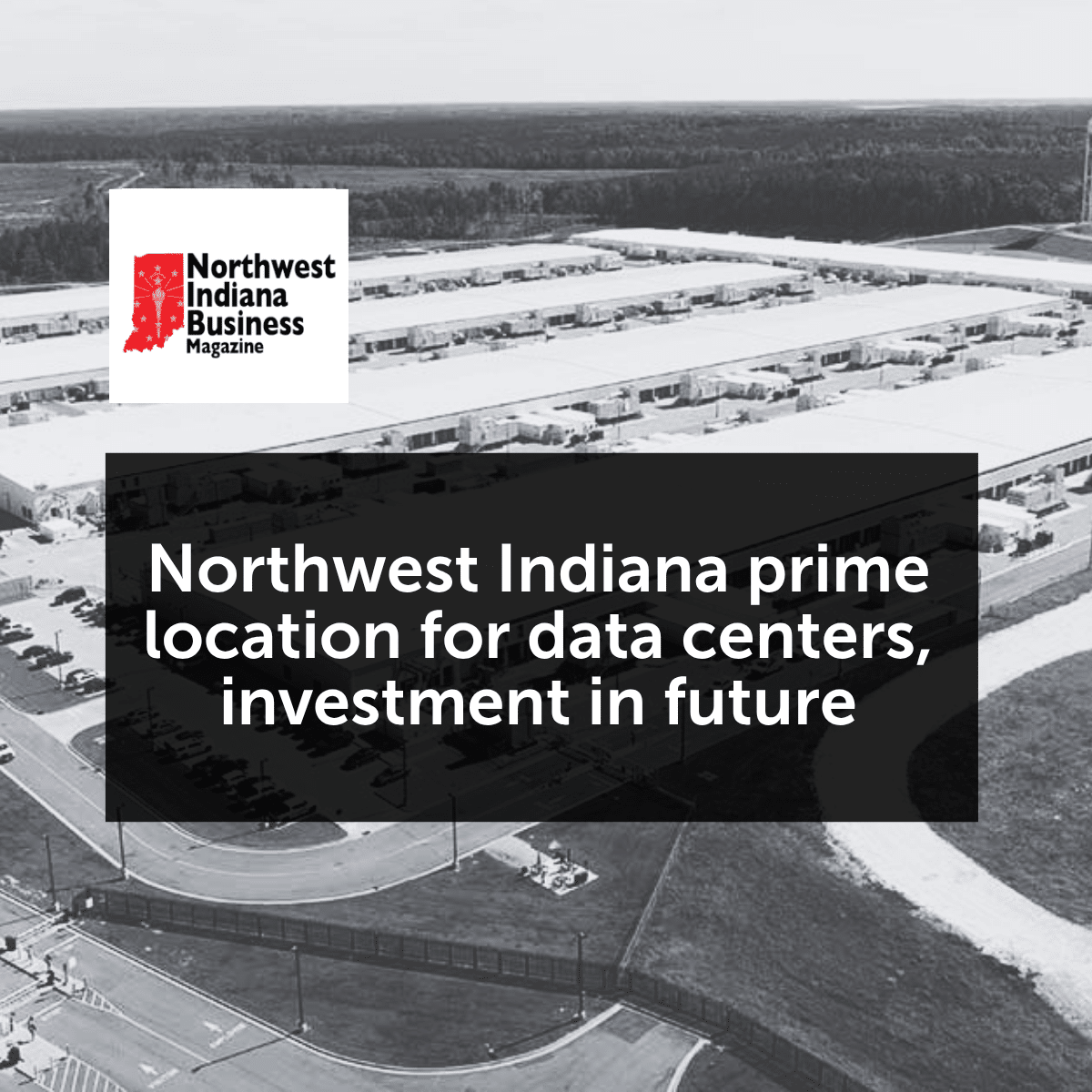
In a recent feature by Northwest Indiana Business Magazine, Sentinel Data Centers CEO Josh Rabina shared his insights into the evolving landscape of digital infrastructure. As Sentinel prepares for its $5B investment Project Shirley in Lowell, Indiana, the focus is squarely on how large-scale data centers can coexist sustainably with their local environments. Rabina’s comments highlight a significant shift in the industry toward water-conscious cooling and community-integrated development.
The project is poised to become a cornerstone of the region’s tech corridor, bringing 2,500 construction jobs and 250 permanent positions to Eagle Creek Township. By leveraging the naturally cool climate of the Great Lakes region, Sentinel is setting a new standard for sustainable data centers.
Read the Full Article: https://nwindianabusiness.com/article/digital-infrastructure/
Zero-Water Cooling: A Strategic Choice for Sustainability
One of the most compelling points raised by Josh Rabina was the decision to implement air-cooled systems for the Lowell facility. While traditional evaporative cooling can be slightly more power-efficient, it requires significant water usage — a primary concern for local residents. Rabina explained that the air-cooled design proposed for Lowell uses large, rooftop-mounted HVAC equipment that consumes zero water and produces zero discharge, effectively eliminating the environmental impact on local water tables.
Key Advantages of Air-Cooled Infrastructure: Water Conservation: Systems designed to operate without any consumption of local water resources.
- Zero Discharge: Protecting the ecosystem by ensuring no wastewater is released into the environment.
- Environmental Resilience: Leveraging Northwest Indiana’s cool climate to naturally assist server cooling.
- Sustainable Growth: Balancing high-performance computing needs with long-term ecological stewardship.
Community Integration and Economic Impact
Beyond the technical specifications, Rabina emphasized Sentinel’s commitment to being a “good neighbor.” Addressing concerns raised at community town halls, he clarified that while construction traffic will be temporary, the long-term operational footprint of the data center is remarkably low. Once operational, the facility will produce minimal traffic and will adhere to strict noise regulations, ensuring that the quiet character of Eagle Creek Township is preserved while the local economy thrives.
The Sentinel Difference in Northwest Indiana:
- Economic Catalyst: A $5 billion investment that creates thousands of jobs and strengthens the local tax base.
- Transparent Communication: Direct engagement with residents to address noise, water, and power concerns.
- Strategic Site Selection: Choosing locations that offer both technical advantages and regional talent access.
Building a Digital Future for Indiana
The industrial landscape of Northwest Indiana is undergoing a historic shift. With tech giants like Amazon Web Services and Microsoft committing billions to the region, local economies are anticipating unprecedented windfalls. For example, the city of Hobart expects to pull in approximately $200 million within the first few years of its AWS development, and up to $1.5 billion over the next 35 years—effectively tripling its local tax base.
Sentinel Data Centers’ entry into Northwest Indiana marks a pivotal moment for the state’s digital economy. By prioritizing zero-water cooling and proactive community engagement, Sentinel is demonstrating that the next generation of data center development can be both high-capacity and low-impact. As Josh Rabina noted, the goal is to deliver world-class infrastructure while respecting the unique needs and resources of the communities that host it.
Frequently asked questions
How will the Lowell facility affect local water resources?
Sentinel Data Centers confirmed that the facility will use an air-cooled system, which requires zero water and produces no wastewater discharge, preserving the local water table.
What are the economic benefits of Project Shirley?
The project represents a $5 billion investment, expected to generate approximately 2,500 construction jobs and 250 permanent career opportunities in the region.
How is Sentinel addressing noise concerns for residents?
The design includes advanced HVAC equipment typically mounted on the roof, and Sentinel is working to ensure compliance with local noise caps, prioritizing minimal sound impact for neighbors.